Everyone will pull something different from a story depending on what they have lived through. I do not think we should ignore that when talking about fiction, horror or any other story for that matter.
The Tomb by H.P. Lovecraft is no different. I want to take us down a somewhat different path from other coverage of The Tomb. I want to take you through my own thoughts and personal commentary on the story.
How your own worldview makes this a great short story, where you can interpret in so many different ways. Of course, there will be some sections that will crossover with other takes, as some things are set in stone and clearer than The Exuma Cays in the Bahamas.
The Tomb by H.P. Lovecraft is not the most brutal or strange Lovecraft story I have read; however, it does leave you with more questions than answers. Was Jervas Dudley mad? Was he drawn to something real? Was the tomb calling him, or was he giving shape to an obsession that had already taken hold?
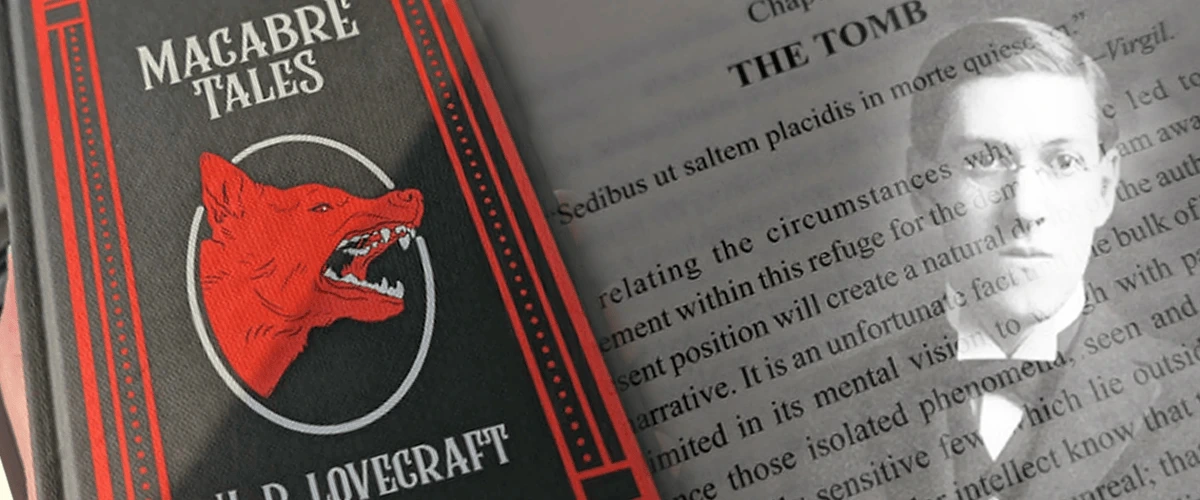
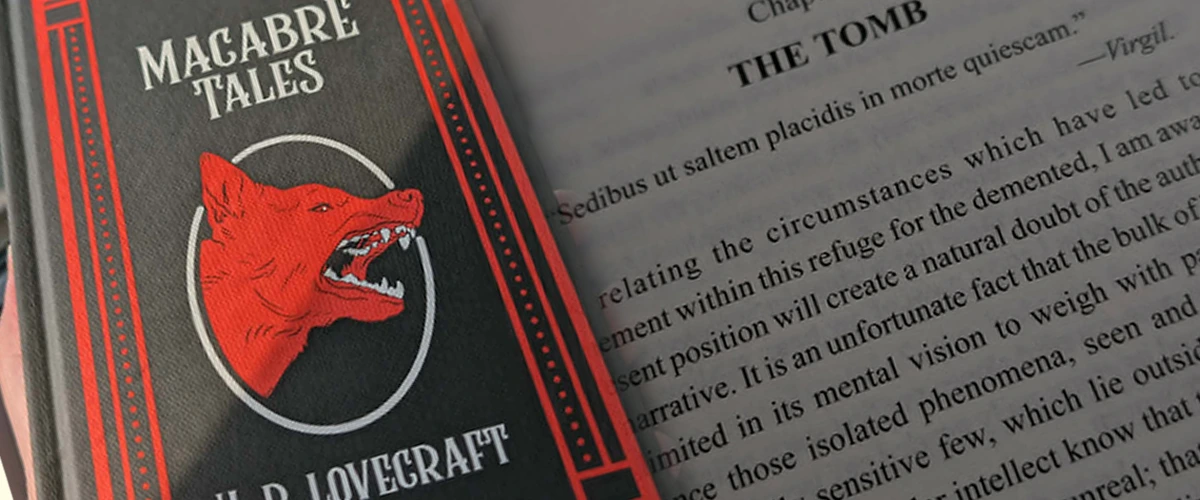
I read “The Tomb” in Macabre Tales from the H.P. Lovecraft 6 Books Collection Box Set. What I found was a short gothic tale that feels close to Edgar Allan Poe in mood, but still carries early signs of the writer Lovecraft would become.
This post is a few thoughts on what you could take from the story, as I did. What is the lesson? What is Lovecraft working through?
🔑 3 Takeaways
- The Tomb by H.P. Lovecraft is built on doubt, leaving you unsure how much of Jervas Dudley’s story you should trust.
- Jervas’s obsession feels less like fear and more like a strange pull towards belonging.
- The Tomb has echoes you can see in modern horror, from stories that start after the damage is done to places that return to their former glory.
Table of Contents
📖 The Story in 3 Sentences
The Tomb by H.P. Lovecraft follows Jervas Dudley, a young man who becomes obsessed with an old family tomb near his home. As his obsession grows, the line between dream, memory, madness, and the supernatural starts to blur. By the end, you are left questioning whether Jervas is deluded, haunted, or drawn towards a place he always belonged.
✨ Impressions
Lovecraft begins by setting the mood for The Tomb with the use of an epigraph. A line that comes from Book VI of Virgil’s Aeneid. Hinting at what is coming, or perhaps more at what is being sought. Did Lovecraft say too much by using such a line at the start? Maybe. Then again, that depends on you, the reader.
How familiar are you with Latin literature?
In any case, the use of an epigraph is an old literary tradition that has been used for decades. They’re not always in Latin or from an ancient text. They can be song lyrics, they can be from a French novel, etc. It’s also up to the writer whether they want to be clear or vague and hint at the story.
When it comes to The Tomb by H.P. Lovecraft, the epigraph may have been obvious to some, while vague to others. To me, it made things clear as to where the story was going; however, it still left me with a lot of questions and doubts about the character we follow, Jervas.
It’s also clear that The Tomb was H.P. Lovecraft finding his footing, his place in the world, as it were. You can feel Edgar Allan Poe’s influence on this tale. From the way it is written, to the story itself with its gothic running theme. The tomb itself, the old family name, the obsession with death, and leading us to question the narrator’s telling of events as we read.
From my point of view, I loved this tale, but that’s because I adore Poe’s work. I appreciate Lovecraft’s talent and storytelling, but Poe’s melancholy will always have a grip on me.
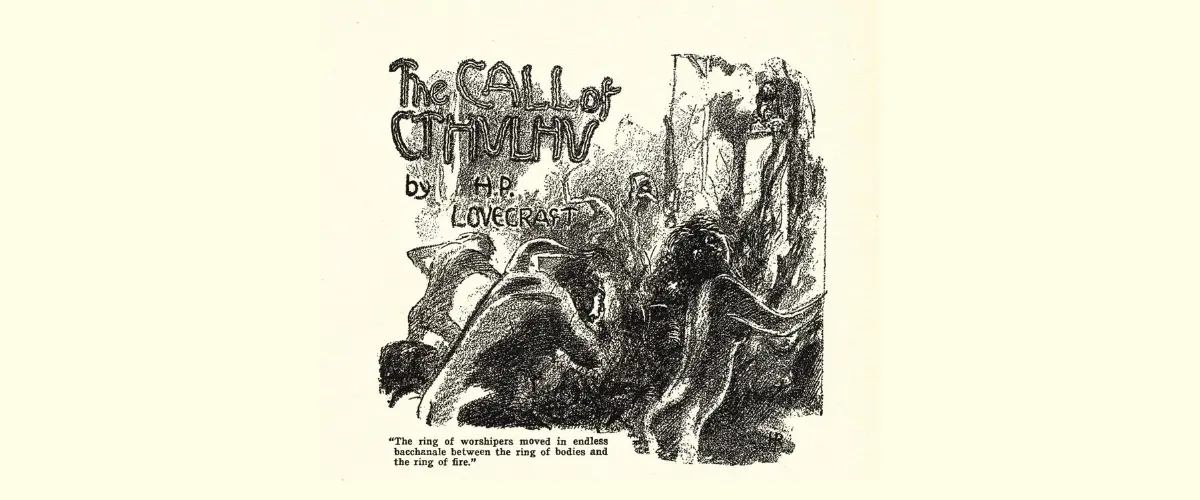
An aspiring writer seeing this might alleviate some pressure. Every writer starts somewhere. You take in the work that speaks to you, then over time, you develop your own craft, your own voice. Lovecraft achieved that on a categorical level. So much so, we see his style in other artistic formats, such as video games with Lovecraftian horror themes like Call of Cthulhu, Letherfall and The Sinking City.
🙋 Who Should Read It?
If you enjoy gothic horror that is melancholic and creepy, then The Tomb by H.P. Lovecraft will be right up your alley. It’s not a story that throws monsters at you or tries to scare you as such. It’s a slower paced tale that focuses more on having an impact on you through psychological means.
The Tomb by H.P. Lovecraft is a tale that will be well received by readers like myself, who enjoy Edgar Allan Poe. Have you ever read The Fall of the House of Usher? It has similar themes of family history, decay and other gothic and gloomy themes.
As a Stephen King fan, I reckon if you are also a King reader, there’s a high chance it will appeal to you too. Like every other writer, King got his inspiration from horror writers that came before him. You will notice some familiarity between Lovecraft’s and King’s storytelling in terms of ideas. A story opening showing you a glimpse or more of the aftermath before taking you through how the protagonist got there. A place that seems to hold a strange power over someone. A building or space that feels tied to memory, identity, and doom.
You may also enjoy it if you like stories where you are not told what to think. Some readers will come away thinking Jervas Dudley is unwell. Others may think he has brushed against something supernatural. What you can take from the story is so open because it depends on your own experiences and worldview.
If you prefer fast-paced horror, direct answers, or heavy action, The Tomb by H.P. Lovecraft may not be the story for you. It is short, but it asks for patience. You need to immerse yourself in the atmosphere that the story is giving you. If you enjoy a storyteller who leaves you questioning what is real, and have prior experience in reading old-style language, then you will enjoy this short tale.
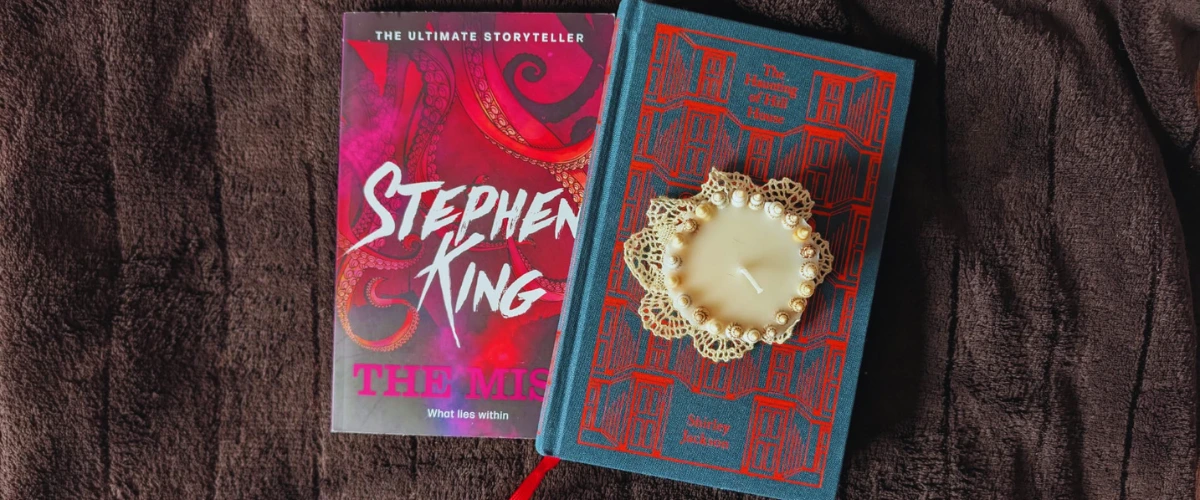
Note: Lovecraft’s writing can feel dense. That is even more true if you are not used to older horror fiction. If you are struggling to understand more than five words on a single page, I would pause and try something more accessible first. You can always come back to Lovecraft later. Stephen King’s The Mist is a good starting point if you want more modern language, monsters, and people trapped by something they cannot explain.
I have also written my own Notes on Stephen King’s The Mist, which may help with your decision-making. Shirley Jackson’s The Haunting of Hill House is another good choice if you want another horror with more accessible language.
📝 Further Notes on The Tomb
Spoiler note: This section includes more detail and may include spoilers.
One thing that kept pulling me through The Tomb was how often Jervas hints at things without telling us the full story.
At one point, he speaks about knowing “the presiding dryads of those trees” and watching “their wild dances in the struggling beams of a waning moon”, before saying he must not speak of those things now. Later, he mentions “seeing, hearing, and doing things” he must never recall.
And I am sitting there thinking, well, what were you doing, Jervas?
Lovecraft dropping in those little lines in The Tomb added to my curiosity. They made me want Lovecraft to open the door a bit more and let us see what Jervas had seen. What happened in those moments? What did he do? Was it all in his mind, or did something stranger take place around that tomb?
The story doesn’t give you everything. It lets Jervas speak, but only so far. You have to deal with the gaps, and those gaps make his account feel even more muddied up.
For the most part, I read The Tomb by H.P. Lovecraft as a tale about obsession. Not only obsession in the simple sense of wanting something too much, but obsession as a place of comfort. Jervas is drawn to the tomb in a way that feels strange and unhealthy from the reader’s point of view, and the view of those around Jervas. However, to Jervas, there’s a strange, unfamiliar pull, and he reads it as something that’s meant for him. It becomes something he cannot let go of.
There is a lesson in this story. Sometimes we waste too much of our lives chasing something that may bring us nothing good. We convince ourselves it means something because of how it feels to us. We tell ourselves it is our place, our purpose, or our calling. But familiarity does not always mean safety.
That is one of the things I found interesting about Jervas. His pull towards the tomb does not always feel like fear. At times, it feels like yearning. Like he is trying to get back to something, even if that something might mean his own demise.
If you do decide to read The Tomb by H.P. Lovecraft, there will come a section where Jervas speaks about a mansion. He speaks of how this mansion returns to its former splendour. I could not help but think of The Shining by Stephen King. Such a small part of the story, but I made the connection in my brain because of it. The idea of a decrepit place coming alive again. A dead space filling itself with light, drink, music, faces, and memory. Which, come to think of it. The Haunting of Hill House by Shirley Jackson has a similar thing going on.
When it comes to The Shining, however, it reminded me of the Overlook Hotel. You know, the scenes where the past seems to step back into the room as if it never left. When Jack Torrance is sitting at the bar drinking, the place looks lively again, like it was back in the 1920s. In The Tomb, that restored mansion has a similar feeling. It is beautiful, but there is something wrong with it. It feels like a fake memory wearing a mask.
The Tomb by H.P. Lovecraft has more going on than it may seem because of the different layers he included. He knows curiosity will get to us. Perhaps that is also part of the point? I’m focusing on things I’ll never know, not to the point of obsession, of course. However, perhaps it’s in my self-interest to let go of such questions.
It is a short story, and it is one of his earlier works, but it still leaves you with plenty to sit and think about, or overthink, I should say. Obsession, identity, memory, decay, and that strange feeling of being called towards something that seems familiar. Which, thinking about it, you may be better off leaving alone.
❓ FAQs on The Tomb by H.P. Lovecraft
Where can I read The Tomb by H.P. Lovecraft online?
You can read The Tomb for free on The H.P. Lovecraft Archive, which hosts electronic texts of Lovecraft’s work. It is a handy option if you want to check the story before buying a collection.
Are there audiobook versions of The Tomb?
Yes, LibriVox has public-domain Lovecraft recordings, including The Tomb as part of The Collected Public Domain Works of H. P. Lovecraft. There are also other audiobook versions online, though quality and narration style can vary. I would suggest Wayne June’s narration of The Tomb by H.P. Lovecraft, you can listen to it here on YouTube.
Which collections include The Tomb by H.P. Lovecraft?
The Tomb appears in several Lovecraft collections. The H.P. Lovecraft Archive lists it in editions such as The Complete Fiction of H.P. Lovecraft, The H.P. Lovecraft Collection: Classic Tales of Cosmic Horror, and Macabre Stories. If you’re after a physical collection that includes The Tomb, then I’d highly recommend the one I bought, which is The H. P Lovecraft 6 Books Collection Box Set. It’s also a very pretty book collection and hardback if aesthetics are important to you.